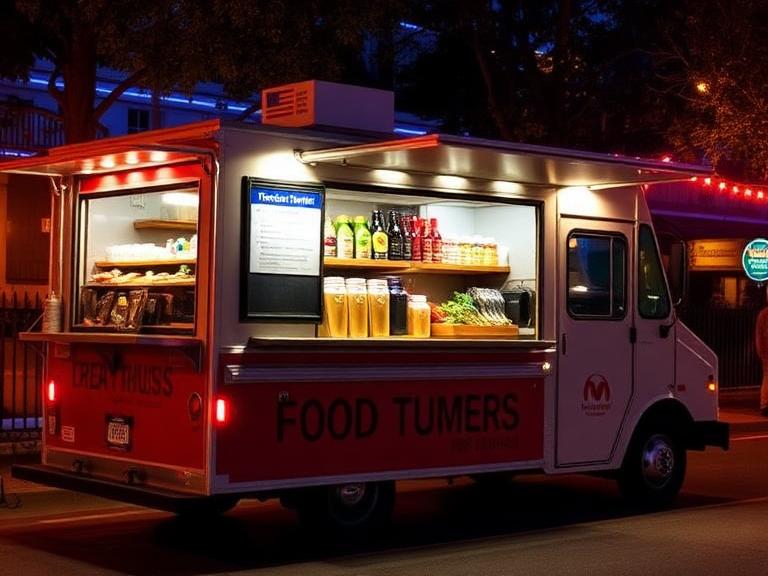
If you think running a food truck is just about cooking delicious meals and parking in a busy spot, think again. A food truck business plan is your roadmap—the blueprint that transforms your passion for street food into a profitable and sustainable business. Without it, you’re essentially driving blind, hoping customers will magically appear and profits will follow. That rarely happens.
A well-structured business plan for food truck operations helps you define your goals, understand your audience, and prepare for challenges before they even show up. It forces you to think critically about everything—from your menu pricing to your marketing strategy—so you’re not caught off guard later. Imagine trying to build a house without a plan; it would collapse. The same applies to your food truck business.
What makes it even more crucial today is the competitive landscape. The food truck industry has grown rapidly, with thousands of trucks competing for attention in urban areas. Standing out requires more than good food—it demands strategy. Your business plan ensures you’re not just another truck on the street but a brand people remember and return to.
Current Trends in the Food Truck Industry
The food truck industry isn’t what it used to be a decade ago. Today, it’s a dynamic, fast-evolving space influenced by changing consumer preferences, technology, and social media trends. Understanding these shifts is essential when creating your food truck business plan.
One of the biggest trends is the rise of niche cuisines and specialized menus. Instead of offering generic fast food, successful food trucks focus on unique concepts—think vegan fusion, gourmet burgers, or regional specialties. Customers today crave authenticity and experience, not just convenience.
Another major trend is digital integration. From online ordering to social media marketing, technology plays a huge role in driving traffic and sales. Food trucks that actively engage on platforms like Instagram or offer easy digital payments tend to outperform those that don’t.
Sustainability is also gaining traction. Many customers prefer businesses that use eco-friendly packaging or source local ingredients. Incorporating these elements into your business plan food truck strategy can give you a competitive edge and attract a loyal customer base.
Understanding Your Target Market
Identifying Ideal Customers
Before you fire up your grill or design your menu, you need to know exactly who you’re cooking for. Identifying your target audience is one of the most critical steps in building a successful food truck business plan. Without a clear audience, your marketing efforts become scattered, and your menu may fail to resonate.
Think about demographics first. Are you targeting college students, office workers, families, or late-night crowds? Each group has different preferences, budgets, and eating habits. For example, office workers might prefer quick, healthy meals during lunch hours, while late-night customers might crave indulgent comfort food.
But don’t stop at demographics—dig deeper into psychographics. What are their lifestyles, values, and food preferences? Are they adventurous eaters or do they stick to familiar flavors? Understanding these details allows you to tailor your offerings and create a strong connection with your customers.
When you align your menu, pricing, and branding with your target audience, you create a cohesive experience that keeps customers coming back. It’s like speaking their language—they feel understood, and that builds loyalty.
Market Research Techniques for Food Trucks
Market research doesn’t have to be complicated or expensive, but it does need to be intentional. Gathering the right insights can make or break your business plan for food truck success.
Start by observing your competitors. Visit other food trucks in your area and analyze what they’re doing well—and where they’re falling short. Look at their menu, pricing, customer flow, and branding. This gives you a real-world understanding of what works in your market.
You can also use online tools and social media to gather insights. Platforms like Instagram and Google Reviews reveal customer preferences, complaints, and trends. Pay attention to what people are saying—it’s like free feedback.
Another effective method is direct engagement. Talk to potential customers, conduct simple surveys, or test your menu at local events. These interactions provide valuable data that helps you refine your concept and avoid costly mistakes later.
Crafting a Winning Food Truck Concept
Choosing a Unique Cuisine or Theme
In a crowded market, blending in is the fastest way to fail. Your food truck business plan needs a strong, unique concept that grabs attention and makes people curious. Think of your concept as your identity—it’s what sets you apart from every other truck on the street.
Choosing a cuisine isn’t just about what you like to cook; it’s about what the market needs and what customers crave. For instance, if your area is saturated with burger trucks, launching another one might not be the best move unless you offer a unique twist.
Themes can also elevate your concept. Whether it’s retro vibes, street-style authenticity, or a modern gourmet approach, your theme influences everything—from your truck design to your menu presentation. It creates an experience, not just a meal.
The goal is to create something memorable. When customers think of your food truck, they should immediately associate it with a specific flavor, style, or experience.
Branding and Storytelling Strategies
People don’t just buy food—they buy stories and experiences. That’s why branding is a crucial part of your business plan food truck strategy. Your brand is more than your logo; it’s the emotion and identity behind your business.
Start with a compelling story. Why did you start this food truck? What inspires your menu? Sharing your journey creates a personal connection with your customers. It makes your brand relatable and authentic.
Consistency is key in branding. Your colors, logo, messaging, and tone should align across all platforms—from your truck design to your social media pages. This creates a cohesive identity that customers recognize instantly.
Strong branding turns first-time customers into loyal fans. It’s what makes them choose your truck over others, even if there’s a long line.
Menu Development and Pricing Strategy
Designing a Profitable Menu
Your menu is the heart of your food truck business. A well-designed menu doesn’t just satisfy customers—it drives profits. When creating your food truck business plan, you need to strike a balance between creativity and practicality.
Focus on a limited menu with high-quality items. Offering too many options can slow down service and increase costs. Instead, specialize in a few signature dishes that you can execute perfectly every time.
Consider ingredient overlap to reduce waste and control costs. For example, using similar ingredients across multiple dishes helps you manage inventory efficiently. This approach maximizes profitability without compromising variety.
Presentation also matters. Even in a food truck setting, visually appealing dishes can enhance the customer experience and encourage social media sharing.
Cost Analysis and Pricing Models
Pricing your menu correctly is like walking a tightrope—you need to cover costs while remaining competitive. This is where detailed cost analysis comes into play in your business plan for food truck.
Calculate the cost of each dish, including ingredients, labor, and overhead. Then determine your desired profit margin. A common approach is to price items at 2.5 to 3 times the cost of ingredients.
Here’s a simple pricing comparison:
| Item | Cost Price | Selling Price | Profit Margin |
|---|---|---|---|
| Burger | $2.50 | $7.50 | 66% |
| Tacos | $1.80 | $5.50 | 67% |
| Fries | $1.00 | $3.50 | 71% |
Keep in mind that pricing also depends on your target market and location. Premium locations may allow for higher prices, while budget-conscious areas require more competitive pricing.
Marketing and Growth Strategies
Social Media and Digital Marketing
In today’s digital world, your food truck doesn’t just exist on the street—it lives online. A strong online presence is essential for growing your food truck business plan into a recognizable brand.
Social media platforms like Instagram and Facebook are powerful tools for attracting customers. Posting high-quality photos, engaging stories, and real-time location updates keeps your audience informed and excited.
Consistency is key. Regular posting and interaction build trust and keep your brand top-of-mind. Think of your social media as your virtual storefront—it’s often the first impression customers have of your business.
Partnerships and Event Marketing
Collaborations can significantly boost your visibility and revenue. Partnering with local businesses, event organizers, or festivals allows you to reach a larger audience without heavy marketing costs.
Events, in particular, are goldmines for food trucks. They bring high foot traffic and expose your brand to new customers. Including these strategies in your business plan food truck ensures steady growth and expansion opportunities.
Financial Planning and Budgeting
Startup Costs Breakdown
Starting a food truck requires careful financial planning. Your food truck business plan should include a detailed breakdown of all startup costs to avoid surprises.
Typical expenses include:
- Truck purchase or lease
- Kitchen equipment
- Licenses and permits
- Initial inventory
- Branding and marketing
These costs can range from $30,000 to $100,000 or more, depending on your setup and location.
Revenue Projections and Profit Margins
Estimating your revenue helps you set realistic goals and measure success. Consider factors like daily sales, average order value, and operating days.
For example, if you sell 100 meals per day at an average price of $8, your daily revenue would be $800. Over a month, that adds up significantly.
Understanding your profit margins ensures your business remains sustainable and profitable in the long run.
Scaling Your Food Truck Business
Expanding to Multiple Trucks
Once your food truck gains traction, expansion becomes the next logical step. Adding more trucks allows you to reach different locations and increase revenue streams.
However, scaling requires careful planning. You need consistent quality, trained staff, and efficient operations to maintain your brand reputation.
Transitioning to a Brick-and-Mortar Restaurant
Many successful food truck owners eventually open physical restaurants. This transition offers stability and higher capacity but also comes with increased costs and responsibilities.
Including long-term growth strategies in your business plan for food truck ensures you’re prepared for future opportunities.
Conclusion
Building a successful food truck business isn’t just about great food—it’s about strategy, planning, and execution. A solid food truck business plan acts as your guiding compass, helping you navigate challenges and seize opportunities. From understanding your target market to crafting a unique concept and implementing smart marketing strategies, every step plays a crucial role in your success.
When you approach your food truck like a brand rather than just a business, you unlock its true potential. With the right plan in place, your street food venture can grow into a thriving, recognizable name that customers love and trust.
FAQs
1. What should be included in a food truck business plan?
A comprehensive plan should include your concept, target market, menu, pricing strategy, marketing plan, financial projections, and operational details.
2. How much does it cost to start a food truck business?
Startup costs typically range between $30,000 and $100,000, depending on equipment, location, and scale.
3. Is a food truck business profitable?
Yes, with proper planning and execution, food trucks can achieve profit margins of 6% to 9% or higher.
4. How do I attract customers to my food truck?
Use social media marketing, strategic locations, partnerships, and unique branding to draw attention and build loyalty.
5. Can a food truck grow into a larger business?
Absolutely. Many food truck owners expand into multiple trucks or open brick-and-mortar restaurants over time.